A beautiful garden doesn’t necessarily need to be expensive or difficult to create. Garden stones can be used for a wide variety of purposes, and they are a great addition to any outdoor space to add texture, structure and visual interest. These versatile materials can be used to create a variety of interesting features, from pathways that add beauty and texture to a garden to stone borders and rock gardens that create a sense of enclosure and privacy. With careful planning, homeowners can design stunning features that align with their homes’ design and maintenance style.
Homeowners can get long-lasting, professional results with larger projects with the help of stone landscaping services in Takanini. Knowing various garden stone ideas will also help make plans for improvement and determine when professional help might be necessary.
1. Create a Charming Stone Garden Pathway
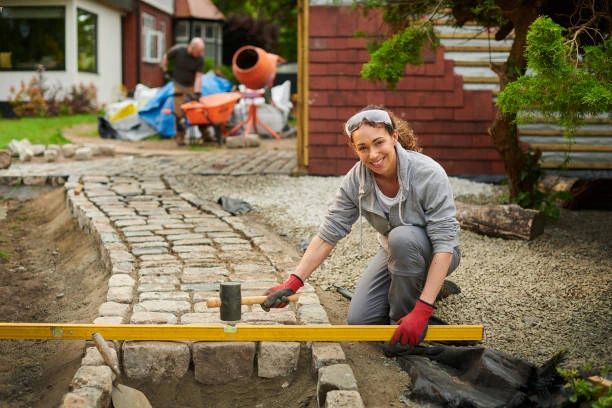
One of the easiest ways to enhance the appearance and functionality of a garden is to install a stone pathway. It establishes a clear pathway between the entry points, patios, lawns and outdoor seating spaces, and helps to prevent foot traffic from damaging the grass.
In case of a DIY project, consider stepping stones, flat natural rocks or concrete pavers. Place them in the desired pattern with adequate spacing between the stones. Weeds should be pulled, and the ground should be level and compacted prior to installation to provide stability. The addition of gravel or sand between the stones will give a nice, finished look.
Opt for materials that complement your home’s exterior and surrounding plants. Evenly formed pavers will provide a modern appearance, while natural stone will provide a rustic look. With careful landscaping stone installation in Takanini, pathways can be attractive, accessible and functional year-round.
2. Define Garden Beds with Stone Edging
Stone edging can be used to define the boundaries of garden beds from lawns, pathways and paved surfaces. It establishes clear boundaries, enhances the overall layout and keeps mulch and soil in designated planting areas.
Use small river rocks, cobblestones or landscape blocks for a simple DIY option. Use a garden hose or string to mark the desired border, then dig a shallow trench along the border. Place the stones firmly in place and ensure that their heights are even.
Choose colours that complement nearby paving and plants. Use light coloured stones to illuminate dark corners, and dark coloured stones to highlight plants. If you have a sloping garden, edging stone carefully placed can also help to establish planting levels. Correct preparation is necessary as the edging may move over time and need to be fixed again.
3. Build a Decorative Rock Garden
A rock garden can be a great choice for homeowners looking for a beautiful landscape element without taking up all the space with grass or plants that require a lot of maintenance. It blends stones, gravel and strategically placed plant life to form a natural focal point.
Start by choosing the right location for planting, taking into account the sun exposure and drainage. Place some larger rocks in place first, leaving the bottom part of the rocks partially exposed, to give them a natural look. Use smaller stones and gravel in the surrounding areas and plant in a way that is appropriate to the environment.
Consider using ornamental grasses, small shrubs and appropriate ground cover for extra colour and texture. Don’t overcrowd the arrangement as open spaces will help individual features stand out. If properly planned, a rock garden can eliminate much of the weeding and provide interest year-round.
4. Design a Gravel Seating Area
Gravel provides an affordable way to establish a relaxed outdoor seating area for enjoying morning tea, entertaining guests or spending time with family. It can also be used in smaller gardens where a traditional patio might not fit.
The first step is to assess the space available and clear away any vegetation. Dig the site to a proper depth, lay a proper weed control membrane (if necessary), and create a stable base. Add decorative gravel and distribute it evenly over the surface.
Loose material can be contained with metal, timber or stone edging. Place outdoor chairs, a small table and weather-resistant planters around the space to make it more inviting. If it is easy to access, try to put bigger stepping stones through the gravel.
It is important to have proper drainage, especially in high rainfall areas. When the ground slopes considerably, professional advice will help to avoid gravel movement and surface water issues.
5. Add a Stone Feature Around Plants
Decorative stones can help to create more structured and attractive plantings. Contrasting stone colour around individual plants will produce attractive focal points and link different areas of the garden.
For instance, white pebbles will accent dark leaves or warm-toned stones will pair well with timber elements and earthy garden layouts. Place stones in circles around trees, shrubs or large pots, leaving room around the plant stems for growth.
Before adding decorative gravel, remove weeds and prepare the soil appropriately. Do not make the layers of stones around plants too thick, as it can affect moisture and root health. Choose materials that will complement the garden’s overall colour scheme for a cohesive look.
This is a simple improvement that is especially effective in courtyard gardens, narrow borders and outdoor spaces where additional construction is not feasible.
6. Create a Stone Border Along Outdoor Spaces
Stone borders can be used to join lawns, patios, driveways and garden beds together to create a unified landscape design. They add texture and detail, and clearly define rooms without using fences or imposing structures.
If you are doing it yourself, opt for uniform landscape blocks or natural stones that complement the other surfaces. Outline the boundary, create the base and place each stone meticulously. Regularly check alignment for a straight, balanced finish.
Curved borders can help to soften formal garden designs, and straight borders are suitable for modern properties. Larger stones can help to create a more defined boundary, while smaller stones can add a decorative touch.
Before starting, think about the purpose of the border, accessibility and drainage. Driveway edges or locations where vehicles travel may need more robust foundations and installation to remain stable.
7. Combine Stones with Water Features
Water features can introduce movement and a calming atmosphere into outdoor spaces. Stones and a small fountain or pond, or a recirculating water feature together provide a natural focal point that will draw attention without having to completely redesign the garden.
Use smooth river rocks to cover rough edges and to provide a harmonious look. Use larger rocks to establish the design and smaller pebbles to fill in spaces and smooth out the area between the water and the surrounding planting.
Select an appropriate site for electricity and water as required. Install electrical components safely and according to the manufacturer’s instructions. Consider the water circulation and cleaning needs when choosing a feature.
Even a small garden can be more peaceful and well-planned with a balance of stone, water and greenery.
8. Maintain Your Garden Stone Features
To keep the garden stone installations looking and working their best, regular maintenance is necessary. Remove fallen leaves, pull weeds growing between stones and replenish gravel where it becomes displaced. Regularly check pathways, borders and retaining structures for movement, flatness or drainage issues.
Clean the stone using appropriate methods for the type of stone, and refrain from using harsh cleaners that may discolour or damage the surface. Care should be taken when pressure washing, especially when dealing with softer natural stones and around delicate joints.
The early treatment of minor problems can avoid large-scale repairs. If stones are unstable, water accumulates repeatedly, or if ground movement is a factor, professional evaluation may be a safer, long-term solution.
Transform Your Garden with All Pro Concrete & Landscape
Creating garden stones is a great way to add some creativity to your outdoor space, add some texture, and enhance the beauty of your property. The use of stepping-stone pathways, decorative borders, gravel seating areas and rock gardens can make a difference with the right design.
All Pro Concrete & Landscape makes it easy for homeowners to consider viable options to improve their outdoor spaces. If you need a project that is well-prepared, long-lasting and requires accuracy in placement, professional garden stone installation in Takanini can assist you in getting a consistent and lasting finish. A well-planned and well-supported garden can be a more beautiful and enjoyable addition to your home.